


What Are Quats? Why Pregnant Moms Should Avoid Them
SEO Title: Quats Why Pregnant Moms Should Avoid Them (And What to Use Instead)
TL;DR:
- Quats (quaternary ammonium compounds) are disinfectant chemicals found in most conventional cleaning wipes and sprays, and research links them to reproductive harm, including reduced fertility and increased miscarriage risk.
- They persist on surfaces and skin long after use, meaning exposure continues even after you've "cleaned."
- Swapping to quat-free cleaners is one of the most impactful (and affordable) non-toxic swaps a pregnant or TTC mom can make.
Key Takeaways
- Quaternary ammonium compounds (quats) are linked to reduced fertility, decreased sperm quality, and increased miscarriage risk in animal research, and their use surged during COVID-19, meaning they're now in more products than ever.
- Quats don't rinse off easily. They linger on countertops, wipes, and skin, creating ongoing low-level exposure that's especially concerning during pregnancy and while trying to conceive.
- Safer, effective alternatives exist at every budget level. You don't have to compromise on clean to protect your family.
Why Should Pregnant Moms Care About Quats?
If you've been reaching for disinfecting wipes to keep your home "clean and safe" during pregnancy, this one's for you. It's not meant to scare you, just to give you the full picture nobody handed you at your OB appointment.
Most conventional cleaning wipes, disinfecting sprays, and multi-surface cleaners (the kind that got extremely popular during the pandemic) contain a class of chemicals called quaternary ammonium compounds, or quats. They're effective at killing germs, which sounds like exactly what a pregnant mom wants. The problem is what else they do.
What Are Quats, Exactly, And Why Are They in So Many Cleaning Products?
Quaternary ammonium compounds (QACs) are a broad category of synthetic antimicrobial chemicals registered as pesticides by the EPA, and they're in the majority of conventional disinfecting products on store shelves today.
They work by disrupting the cell membranes of bacteria and viruses. According to the EPA's ADBAC and DDAC Fact Sheet, quats are among the most widely used disinfectant ingredients in household cleaning products.
You'll find them under ingredient names like:
- Benzalkonium chloride (BAC)
- Didecyl dimethyl ammonium chloride (DDAC)
- Alkyl dimethyl benzyl ammonium chloride (ADBAC)
They were already common before 2020. But after COVID-19, quat-based products flooded the market as families stocked up on anything labeled "disinfecting." The result: daily exposure for millions of households, including pregnant women and babies.
What this means for your family: If you've been wiping down surfaces daily with conventional disinfecting wipes, you've likely been increasing quat exposure significantly since 2020.
Are Quats Actually Dangerous During Pregnancy?
What Does the Research Say?
A systematic review published in PubMed/NCBI found that quaternary ammonium compounds were associated with developmental and reproductive toxicity, including reduced fertility and increased rates of pregnancy loss in animal studies.
Specifically, research has linked quat exposure to:
- Reduced fertility in both male and female subjects
- Decreased sperm quality and motility
- Increased miscarriage risk
- Neural tube defect associations in some animal models
What this means for your family: These findings come primarily from animal studies, but the reproductive effects are significant enough that many researchers are calling for more caution, especially for pregnant women and those trying to conceive.
Do Quats Stay on Surfaces, or Do They Rinse Off?
Unlike some cleaning chemicals that evaporate or rinse away cleanly, quats are known to persist on surfaces long after application. They can also linger on skin after contact with wipes or sprayed surfaces.
That means the countertop you wiped this morning, the highchair tray, the bathroom faucet — they likely still have a quat residue on them hours later. EWG (Environmental Working Group) flags quaternary ammonium compounds as chemicals of concern for this exact reason: the exposure doesn't end when the cleaning does.
SCRUNCHY MOM TIP: Check your wipes and sprays right now. Flip them over and scan for "benzalkonium chloride," "alkyl dimethyl benzyl ammonium chloride," or any ingredient ending in "ammonium chloride." That's a quat.
Where Are Quats Hiding in Your Home?
Quats aren't just in obvious disinfecting products. They show up in a surprisingly wide range of household staples:
| Product Category | Common Culprits | Quat Ingredient to Look For |
|---|---|---|
| Disinfecting wipes | Lysol, Clorox wipes | Alkyl dimethyl benzyl ammonium chloride |
| Multi-surface sprays | Most "antibacterial" sprays | DDAC, ADBAC |
| Bathroom cleaners | Toilet bowl cleaners, tub scrubs | Benzalkonium chloride |
| Kitchen cleaners | "Sanitizing" sprays | Benzalkonium chloride |
| Baby surface wipes | Some "antibacterial" baby wipes | BAC |
| Hand sanitizers | Some foam/spray formulas | Benzalkonium chloride |
Start here this week: Do a quick sweep of the cleaning products under your kitchen sink and in your bathroom. You don't need to throw everything out today, but knowing what's there is step one.
What About the "It's a Small Amount" Argument?
It's a fair question. Cleaning products contain quats in relatively low concentrations. But here's the thing: it's not about a single exposure. It's about daily, repeated contact across multiple products, surfaces, and skin contact points.
The National Institute of Environmental Health Sciences (NIEHS) notes that low-dose, chronic exposure to chemicals can have outsized effects on hormonal and reproductive systems, particularly during pregnancy, when the body is doing extraordinary developmental work.
Quats also function as endocrine disruptors, meaning they can interfere with your body's hormone signaling. During pregnancy, hormone balance is doing the delicate work of building a placenta, regulating fetal development, and sustaining the pregnancy itself. That kind of interference is worth taking seriously.
What this means for your family: "Low concentration" doesn't mean "no effect," especially when you're wiping down surfaces multiple times a day, every day, throughout an entire pregnancy.
What Should You Use Instead?
Good / Better / Best Swaps for Quat-Free Cleaning
Good: Reduce how often you use disinfecting wipes. Reserve them for truly high-risk moments (like handling raw chicken) rather than daily counter wipe-downs. Most surfaces in a healthy home don't need to be disinfected. They need to be cleaned.
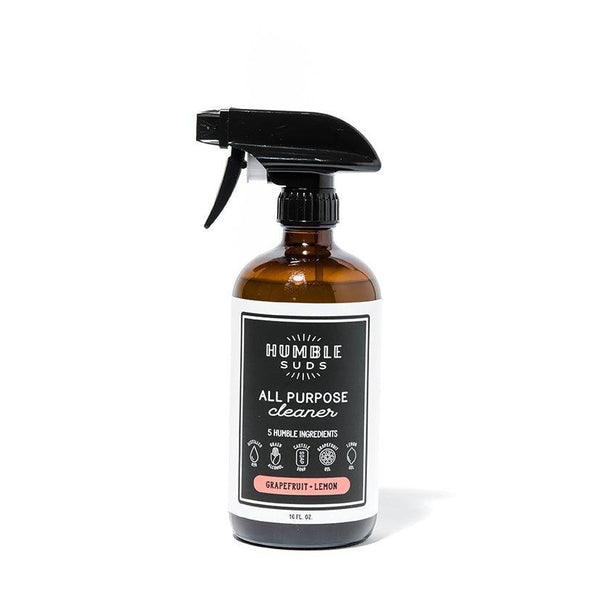
Better: Switch to a plant-derived, quat-free all-purpose cleaner. Humble Suds All Purpose Cleaner is a solid option, derived from plants and minerals, with no harsh solvents, no quats, and effective for everyday surfaces.
Best: Replace both your wipes and your spray with verified non-toxic options. The Scrunchy All-Purpose Wipes are individually wrapped, quat-free, and food-contact safe, meaning they're genuinely safe to use on the surfaces where your family eats, your baby's highchair tray, and your own hands. For whole-home spray coverage, the Scrunchy Multi-Surface Concentrate is EWG Verified, free of quats and synthetic fragrance, and one bottle dilutes to cover every surface in your home, which makes it a genuinely budget-friendly swap.
If You're on a Tight Budget
Start with the wipes swap. That's typically where the most direct skin contact happens. Don't stress about replacing every cleaning product at once. One swap at a time is still progress.
If you only do one thing from this section, do this: Replace your conventional disinfecting wipes with a quat-free alternative before your baby arrives (or now, if you're TTC or already pregnant). That single swap removes one of the most direct routes of quat skin contact in your daily routine.
Are Mold Cleaners and Bathroom Products a Quat Concern Too?
Yes, and this is an especially important category for pregnant moms, because bathroom sprays that market themselves as mold-fighters often contain quats, yet quats are not actually effective at eliminating mold at the root.
They may suppress surface appearance temporarily, but they don't kill the fungal structure underneath. What they will do is linger in your bathroom (an enclosed, poorly ventilated space) and continue to off-gas and irritate your respiratory system. That's especially uncomfortable and potentially harmful during pregnancy, when your lungs are already working harder.
For mold, a 3% hydrogen peroxide solution is a safer, more effective option that won't leave a disinfectant residue or create respiratory irritation.
Quats vs. Other Cleaning Ingredients: A Quick Reference
| Ingredient | Where It's Found | Main Concern for Pregnancy | Safer Swap |
|---|---|---|---|
| Quats (BAC, DDAC) | Disinfecting wipes, sprays | Reproductive toxicity, persists on surfaces | Plant-based cleaners, hydrogen peroxide |
| Synthetic fragrance | Most conventional cleaners | Endocrine disruption, respiratory irritant | Fragrance-free or essential oil-based |
| Ammonia | Glass cleaners, bathroom sprays | Respiratory irritant, reacts with bleach | Castile soap + water, EWG-verified sprays |
| Strong acids | Toilet/tub cleaners | Burns, fumes, lung irritation | Citric acid-based cleaners |
Good Brands to Buy
- Scrunchy All-Purpose Wipes — Quat-free, food-contact safe, individually wrapped; the easiest direct swap for conventional disinfecting wipes. (Best overall pick)

-
Scrunchy Multi-Surface Concentrate — EWG Verified, free of quats and synthetic fragrance; one bottle dilutes 1:11 to cover every surface in your home. (Best value)

-
Humble Suds All Purpose Cleaner — Plant- and mineral-derived, no quats or harsh solvents; a solid third-party spray option widely available online. (Good budget-friendly alternative)
FAQ
Q: Are quats safe in small amounts during pregnancy?
A: Current research, including a systematic review in Reproductive Toxicology, shows that quat exposure is associated with reproductive harm in animal models even at relatively low doses. Because they also persist on surfaces and skin, "small amounts" can accumulate throughout the day. The precautionary principle applies here: when a safer alternative exists, it makes sense to use it, especially during pregnancy.
Q: My OB hasn't mentioned quats. Should I be worried?
A: Most OBs don't have time to review cleaning product ingredient lists during appointments. That's not a gap in your care, it's just outside the typical clinical scope. The research on quats is still emerging, but it's being taken seriously by environmental health scientists. You don't need to panic. You just need better wipes and a cleaner spray. That's a very manageable swap.
Q: Do quats affect babies and toddlers differently than adults?
A: Yes. Children are generally more vulnerable to chemical exposures because their systems are still developing and their hand-to-mouth behaviors increase dermal and oral contact with surfaces. Pediatric environmental health researchers have flagged that quat-based products should be used with particular caution around children, especially in enclosed spaces. Quat-free cleaning is a smart default for any home with a baby or young child.
About the Author
Jenn Smith, RN BSN, is a registered nurse, mom, and co-founder of Scrunchy Living. She writes evidence-based guides to non-toxic living, pregnancy-safe products, and clean home practices for modern families.
This article is for educational purposes only and does not constitute medical advice. Always consult your OB-GYN, midwife, or healthcare provider with specific questions about chemical exposures during pregnancy.
Shop These Recommendations
| Product | Why It's Worth It | Amazon |
|---|---|---|
| Scrunchy All-Purpose Wipes | Non-toxic, quats-free, food-contact safe all-purpose wipes by Scrunchy Living… | |
| Scrunchy Multi-Surface Concentrate | EWG Verified non-toxic cleaning concentrate by Scrunchy Living. One 1:11 dilution handles… | |
| Humble Suds | Safe, effective cleaning sprays derived from plants and minerals. No harsh solvents or… |
You Might Also Like
- Quats-Free Wipes: What They Are & Why Moms Switch
- Cleaning While Pregnant: 5 Ingredients to Avoid
- Scrunchy All-Purpose Wipes — Our most-loved non-toxic cleaning essential — safe for babies, surfaces, and the whole family.