


Scrunchy Cookware 101: Nonstick, Cast Iron & Stainless
SEO Title: Nonstick Cast Iron, Stainless & What Actually Matters — Scrunchy Cookware 101
Nonstick Cast Iron, Stainless & What Actually Matters — Scrunchy Cookware 101
Key Takeaways
- Nonstick cookware coated with PTFE (formerly marketed as Teflon) can release toxic fumes when overheated, and worn or scratched coatings may leach chemicals — making it one of the highest-priority swaps for pregnant women and families with young children.
- Cast iron and stainless steel are the two most practical non-toxic alternatives — both are free of synthetic coatings, built to last decades, and available at budget-friendly price points (Lodge cast iron starts under $30).
- You don't have to replace everything at once. Starting with just one skillet swap — the pan you cook in most — is enough to meaningfully reduce your daily chemical exposure.
Why Your Cookware Drawer Deserves a Second Look
If you're pregnant or cooking for little ones and you haven't thought much about your pots and pans yet, you're not alone. Cookware isn't exactly the first thing that comes up at your OB appointment. But what you cook in matters just as much as what you cook — because whatever's on (or in) the surface of your pan can end up in your food.
The good news: this doesn't have to be an expensive overhaul. It just has to be intentional.
What's Actually in Nonstick Cookware — and Why It's a Problem
What is PTFE, and is it the same as Teflon?
Yes — essentially. Teflon is the brand name; PTFE (polytetrafluoroethylene) is the chemical compound. You may have also heard of PFOA — that was the processing chemical used to make the original Teflon coating. When PFOA was linked to serious health concerns, manufacturers phased it out. But PTFE itself — the actual nonstick coating — remains in widespread use, and many of the concerns didn't disappear with the name change.
PFAS (per- and polyfluoroalkyl substances — meaning a large family of synthetic "forever chemicals" that don't break down in the body or environment) are associated with a range of health impacts, including disruption to thyroid and hormonal function. The NIH has documented PFAS as a class of concern for reproductive and developmental health, which is particularly relevant during pregnancy.
When PTFE-coated pans are heated to high temperatures — which happens easily during everyday cooking — the coating begins to degrade and can release toxic fumes. Research published on NCBI has documented the toxic effects of PTFE decomposition products, including in occupational exposure settings. The risk increases significantly with scratched or worn coatings, which release particles directly into food.
SCRUNCHY MOM TIP: If you're still using nonstick pans, at minimum: never preheat them empty, never use them on high heat, and replace any pan with a scratched or peeling surface immediately.
If you only do one thing from this section, do this: Check your current nonstick pans for scratches or worn patches. If you see them, move that pan out of rotation this week.
Is Cast Iron Actually Non-Toxic?
What makes cast iron a cleaner option
Cast iron has no synthetic coating, no chemical treatments, and no PFAS. It's just iron — the same material humans have cooked on for centuries. When properly seasoned (meaning layers of oil have been baked into the surface over time), it develops a naturally slick cooking surface that gets better with every use.
Here's what makes it genuinely practical for everyday cooking:
- Works on any heat source, including induction
- Handles high oven temperatures without issue
- Adds a small amount of dietary iron to food — a potential benefit during pregnancy, when iron needs increase significantly, as noted by ACOG's guidelines on nutrition in pregnancy
- Extremely durable — well-maintained cast iron can last generations
The tradeoff: cast iron does require some specific care. It shouldn't be soaked in water, shouldn't be washed with harsh soap regularly, and needs to be dried and lightly re-oiled after washing to prevent rust. That sounds like a lot, but in practice it takes about 60 seconds.
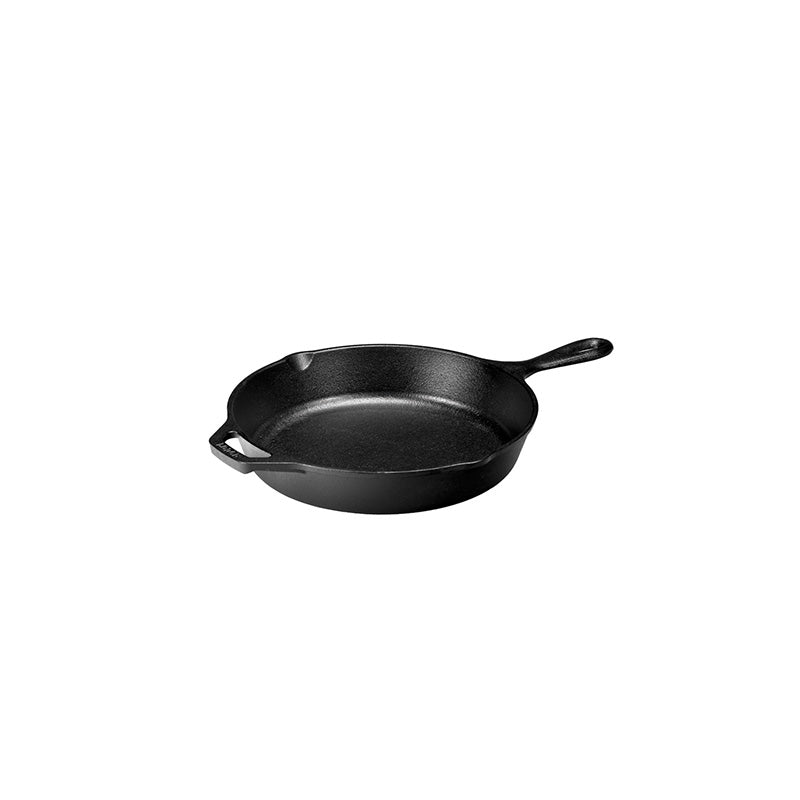
For cast iron, trusted brands include:
- Lodge — The most accessible option. Pre-seasoned, made in the USA, widely available, and very affordable. One of the best non-toxic swaps for the budget-conscious mom.
- Field Company — A modern take on vintage-style cast iron. Lighter weight, smoother surface, and pre-seasoned with grapeseed oil. A step up in price but noticeably more refined.
- Smithey — Artisan-level craftsmanship. Polished smooth surface that mimics the feel of a seasoned vintage pan right out of the box. Premium price, but a genuine lifetime investment.
If you're on a tight budget, start with Lodge and don't stress yet about upgrading.
What About Stainless Steel? Is It Actually Safe?
Understanding what to look for in stainless steel cookware
Stainless steel is another solid, coating-free option — and it's the standard in professional kitchens for a reason. It's durable, works across all cooking methods and heat levels, and requires far less specialized care than cast iron.
The nuance: not all stainless steel is created equal. Lower-quality stainless steel can contain nickel, aluminum, or chromium, which can leach into food — especially acidic foods like tomato sauce. This is why quality grade matters.
Look for 316Ti surgical-grade stainless steel, which is specifically formulated to be non-reactive. This is the grade used by Heritage Steel, which is titanium-strengthened to minimize any migration of metals into food.
For stainless steel, trusted brands include:
- Heritage Steel — Family-owned, made in the USA, uses 316Ti stainless steel (the most non-reactive grade). One of the top recommendations for a long-term stainless investment.
- 360 Cookware — Uses surgical-grade stainless steel with a "vapor cooking" method that retains nutrients and reduces the need for oils. Also made in the USA.
- All-Clad — A well-regarded mid-to-higher range option widely available at department stores and kitchen retailers. (Not in catalog — plain text only.)
SCRUNCHY MOM TIP: Stainless steel is not naturally nonstick, but it becomes much easier to use when you preheat it properly before adding oil or food. Let the pan get hot first — then add your fat, let it heat briefly, then add your food. This dramatically reduces sticking.
If you only do one thing from this section, do this: If you're replacing one pan, choose stainless steel for your everyday sauté work and cast iron for eggs or anything that benefits from a more forgiving surface.
A Note for Pregnant Women and New Moms
This matters more right now than at any other point. During pregnancy, both you and your baby are more vulnerable to chemical exposures — and PFAS in particular have been flagged as a concern for fetal development. The CDC's biomonitoring data shows that PFAS are detectable in the blood of most Americans, including pregnant women, underscoring why reducing exposure where you can — including through cookware — is a meaningful step.
You don't need to throw out everything in your kitchen today. But if you're building your registry, setting up a nursery, or simply cooking more at home during pregnancy, this is one of the highest-value swaps available to you.
How to Actually Make the Switch (Without Losing Your Mind)
The Good / Better / Best Swap Tiers
Good: Replace your most-used nonstick pan with a Lodge cast iron skillet. Use it for eggs, sautéed vegetables, and proteins. Retire the scratched nonstick.
Better: Add a mid-range stainless steel skillet or saucepan for acidic dishes and sauces. Look for Heritage Steel or 360 Cookware.
Best: Fully transition your kitchen to cast iron and high-grade stainless over 6–12 months as pieces wear out. Don't buy everything at once — replace as needed.
Transition tip: You don't have to learn cast iron and stainless at the same time. Pick one, get comfortable, then add the other. Cast iron is more forgiving for beginners; stainless has a steeper learning curve but becomes intuitive quickly.
Start here this week: Identify the one pan you use most. That's the first swap. Just one.
Good Brands to Buy
Cast Iron:
- Lodge — Best budget-friendly, pre-seasoned, made in the USA
- Field Company — Lighter, smoother, premium mid-range
- Smithey — Artisan finish, polished surface, true lifetime cookware
Stainless Steel:
- Heritage Steel — 316Ti non-reactive stainless, family-owned, USA-made
- 360 Cookware — Surgical-grade stainless, vapor-cooking design, nutrient-retaining
- All-Clad — Widely available, high quality, solid mid-to-upper range option (no catalog link)
For wiping down your stovetop and cooking surfaces with something you can trust:
- Scrunchy All-Purpose Wipes — Non-toxic, quats-free, rinse surfaces thoroughly before food or skin contact. Individually wrapped and genuinely convenient for kitchen cleanup without the chemical residue of conventional wipes.

FAQ
Q: Is ceramic nonstick cookware safe?
A: Ceramic-coated cookware is often marketed as a "natural" alternative to Teflon, and it does avoid PTFE. However, ceramic coatings can still degrade over time with heat and scratching, and the nonstick properties tend to diminish faster than cast iron or stainless. It's a better option than PTFE-coated pans, but cast iron or high-grade stainless steel remains the more durable, longer-lasting non-toxic choice.
Q: Can I cook acidic foods like tomatoes in cast iron?
A: It's best to avoid it, or at least limit it. Acidic foods can break down cast iron seasoning and may cause a metallic taste to develop in the food. For tomato sauces, chili, or citrus-based dishes, use your stainless steel pan instead. This is actually one of the reasons having both types is a practical long-term setup.
Q: Do I need to replace all my cookware at once if I'm pregnant?
A: No — and trying to do it all at once is a fast track to feeling overwhelmed and doing nothing. Prioritize replacing scratched or heavily worn nonstick pans first, as those pose the most immediate concern. Then work through your kitchen gradually. One pan at a time is a completely valid and effective approach.
Shop These Recommendations
| Product | Why It's Worth It | Amazon |
|---|---|---|
| Scrunchy All-Purpose Wipes | Non-toxic, quats-free all-purpose wipes by Scrunchy Living — safe for household surfaces (rinse before food contact), rinse after use… | |
| Lodge | The oldest family-owned cast iron cookware manufacturer in the USA. Famous for their… | Buy on Amazon |
| Field Company | A modern cast iron brand making lighter, smoother skillets reminiscent of vintage cast… | |
| Smithey | Produces premium, polished cast iron and carbon steel cookware. Known for their smooth… | |
| 360 Cookware | Manufactures waterless cookware using surgical-grade stainless steel. Their "vapor… | |
| Heritage Steel | A family-owned manufacturer of titanium-strengthened 316Ti stainless steel cookware. Made… | |
| SnowClad | Offers hybrid stainless steel cookware and accessories. Their cutting boards or surfaces… | Buy on Amazon |
You Might Also Like
- Best Non-Toxic Cookware & Kitchen Swaps
- Kitchen Essentials for the Scrunchy Mom
- Scrunchy All-Purpose Wipes — Our most-loved non-toxic cleaning essential — safe for babies, surfaces, and the whole family.
Medical Disclaimer: The information in this article is intended for educational purposes only and does not constitute medical advice. Always consult your OB-GYN, midwife, or a qualified healthcare provider with questions about your health during pregnancy or postpartum. Individual health needs vary, and no article can substitute for personalized medical guidance.