


Storage, Cutting Boards & Small Appliances: Where Plastics Sneak In
Key Takeaways
- Plastic cutting boards release microplastics every single time you cut on them — switching to wood, glass, or stainless steel is one of the fastest, lowest-cost swaps you can make in your kitchen.
- BPA, BPS, BPF, and phthalates found in plastic food storage containers are associated with reduced egg quality, lower sperm count, and hormone disruption. Heating food in plastic (or storing warm food in it) significantly increases how much leaches into your meal.
- Black plastic takeout containers and bulk-club trays are among the highest-risk options because they're often made from recycled mixed plastics, including plastics that originated in electronics or other toxic-source items.
Why Your "Safe" Kitchen Might Not Be as Clean as You Think
If you've already switched to a cleaner diet, started reading ingredient labels, and swapped out your conventional cleaning products, first of all, that's huge. You're doing the work.
But there's one area that trips up even the most well-researched moms: the plastic that touches your food every single day. The cutting board. The plastic food storage containers. The small appliances with plastic reservoirs and baskets. These aren't dramatic exposures. They're quiet, cumulative ones. And for pregnant women and babies, that matters more than most people realize.
This isn't about doing everything at once. It's about knowing where the biggest leaching risks are so you can make one swap at a time, in an order that actually makes sense for your life and your budget.
What Are Phthalates and BPA — and Why Do They Matter in the Kitchen?
Phthalates are synthetic chemicals used to make plastics flexible. BPA (bisphenol A), BPS, and BPF are used to harden plastics and line containers. What they have in common: they are endocrine disruptors, meaning they can interfere with your hormones by mimicking or blocking the signals your body's own hormones send.
Research published via the NIH has linked phthalate exposure to reduced sperm count, sperm DNA damage, and lower testosterone in men. For women, these exposures are associated with reduced egg quality and disrupted ovarian function, which is a significant concern during pregnancy planning and the first trimester.
What this means for your family: Cutting down on plastic food contact, especially heated plastic, is a meaningful, actionable step for protecting reproductive and fetal health.
These chemicals don't stay locked inside the plastic. They migrate. Heat, moisture, acidic foods, and repeated mechanical stress (like dishwasher cycles or knife cuts) all accelerate that migration into your food.
Where Does Plastic Actually Sneak Into Your Kitchen?
Is Your Plastic Wrap Doing More Harm Than Good?
Plastic wrap is one of the sneakiest offenders, especially when used to cover warm food or when it makes direct contact with anything fatty or acidic. Heat and moisture are exactly the conditions that cause the most chemical leaching, and most of us reach for plastic wrap the moment food comes off the stove.
The swap here is simple and cheap: a plate on top of a bowl, beeswax wraps, or silicone stretch lids. None of these require a big investment.
SCRUNCHY MOM TIP: Keep a set of silicone stretch lids in two or three sizes near the stove so they're just as easy to grab as plastic wrap. Out of sight usually means out of habit.
Start here this week: Stop using plastic wrap on anything warm. Cover it with a plate or dish towel first, let it cool, then store it.
Are Plastic Food Storage Containers Safe to Reheat In?
Short answer: no. And it's not just about reheating. Placing warm or freshly cooked food into a plastic food storage container starts the leaching process before you ever put it in the microwave.
Plastic is also porous, which means it harbors bacteria in a way that glass and stainless steel simply don't. Every dishwasher cycle degrades the plastic further, increasing microplastic release with each use. According to the FDA, while BPA has been restricted in some applications, BPS and BPF (the replacement chemicals) carry many of the same concerns.
Black plastic containers from restaurants or warehouse shopping clubs are worth a special mention. Because black plastic is often made from recycled mixed plastics, it can originate from electronics, automotive parts, or other toxic-source items, making the chemical load genuinely unpredictable.
If you're on a tight budget, start with replacing the plastic food storage containers you heat food in first, especially anything you use in the microwave. Don't stress yet about containers you use only for cold storage while you're building toward a full swap.
Good replacement options: Pyrex, Anchor Hocking, and Oxo offer widely available, budget-friendly glass storage. Caraway and Ziruma are excellent step-up options with more refined designs.
What this means for your family: Swapping even two or three frequently used plastic food storage containers for glass can meaningfully reduce daily chemical exposure, particularly for pregnant women and young children.
What About Plastic Cutting Boards?
Every time a knife drags across a plastic cutting board, it shaves off tiny particles. Research highlighted by the NIH has confirmed that plastic cutting boards are a measurable source of microplastic ingestion, with use and dishwasher cycles both accelerating the breakdown. Those knife grooves also become breeding grounds for bacteria that's nearly impossible to fully sanitize out.
The good news: this is one of the easiest swaps in the whole kitchen.
Good / Better / Best for Cutting Boards:
- Good: A sustainably sourced wood board (teak, maple, or walnut) is a massive upgrade from plastic. Cuisinart offers widely available wooden boards at accessible price points. Wood has natural antimicrobial properties and doesn't shed microplastics.
- Better: Tempered glass boards like those from Freshmage or Lenox are non-porous, easy to sanitize, and completely inert. Note that glass can dull knives faster, so pair with a good sharpener.
- Best: Pure titanium boards from Taimatitanium are non-toxic, antibacterial, lightweight, and release zero microplastics. Pure Cut and SnowClad also offer stainless steel and hybrid options that are non-porous and built to last.
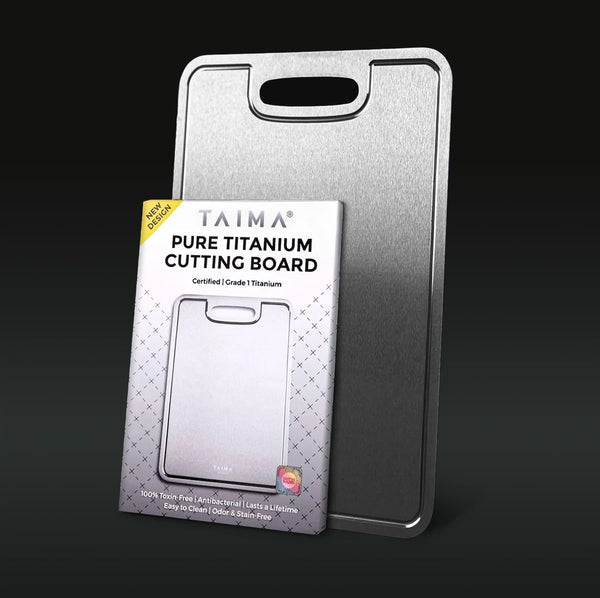
If you only do one thing from this section, do this: Retire your plastic cutting board this week. A basic wood board from any grocery or home store is a legitimate, low-cost swap that immediately eliminates a daily microplastic source.
Are Small Appliances a Hidden Plastic Problem?
This one surprises people. Your coffee maker, for example, routes water through a plastic reservoir, a plastic basket, and often a plastic spout, all while that water is hot. Heat plus plastic plus water is exactly the combination that promotes leaching.
The same concern applies to plastic pitchers, blender jars, food processor bowls, and any appliance with parts that contact food while warm or acidic.
Realistic swap strategy: You don't need to replace every appliance at once. Prioritize anything where plastic contacts hot liquid or acidic food. Look for coffee makers with stainless steel or glass carafes and minimal plastic in the water path. For blending, glass-jar blenders (like certain Oster or KitchenAid configurations) are a solid step up.
What this means for your family: Replacing the plastic basket or reservoir in your daily coffee maker, or switching to a French press or pour-over, can reduce a quietly consistent morning exposure.
Start here this week: Check your coffee maker. If the carafe and water path are plastic, consider a stainless or glass-carafe option as your next appliance replacement. Not today, but as a planned next step.
A Note for Pregnant Moms and Families with Babies
Fetal and infant development is particularly sensitive to endocrine-disrupting chemicals because their hormonal systems are actively building. The American College of Obstetricians and Gynecologists (ACOG) has explicitly recommended that pregnant women limit exposure to plastics, pesticides, and other environmental chemicals.
You don't need a perfect, all-glass kitchen before your baby arrives. But swapping your cutting board, stopping microwave-in-plastic habits, and moving toward glass food storage containers during pregnancy are three concrete, achievable steps that genuinely reduce exposure during the window that matters most.
For wiping down surfaces and food-contact areas, including highchair trays and snack prep areas, Scrunchy All-Purpose Wipes are a quats-free option that won't add another chemical layer to the surfaces where your baby eats.

Good Brands to Buy
Food Storage (Glass):
- Pyrex — budget-friendly, widely available, oven-safe glass; a solid first swap
- Anchor Hocking — affordable, durable, and easy to find at most big-box stores
- Oxo — slightly elevated design with leakproof lids; great for packed lunches
- Caraway — premium aesthetic, non-toxic, worth it if it's in the budget
Cutting Boards:
- Taimatitanium — best-in-class; pure titanium, zero microplastics, antibacterial
- Pure Cut — stainless/titanium option, non-porous and durable
- SnowClad — stainless steel hybrid boards, built for longevity
- Freshmage — tempered glass boards, easy to sanitize, budget-accessible
- Lenox — glass boards with elegant designs; doubles as a serving surface
- Cuisinart — accessible wood boards; widely available as a budget-friendly upgrade
Cleaning:
- Scrunchy All-Purpose Wipes — quats-free; great for food prep surfaces and baby gear
FAQ
Q: Is bamboo safer than plastic for cutting boards?
Bamboo is a meaningful step up from plastic because it doesn't shed microplastics. However, many bamboo boards are manufactured using formaldehyde-based adhesives that can migrate into food over time, particularly as the board dries out and cracks. If you go bamboo, look for boards that are explicitly formaldehyde-free. Wood (teak, maple, walnut) or stainless/titanium are safer long-term bets.
Q: Can I keep my plastic food storage containers if I just never heat food in them?
Cold storage in plastic is lower risk than heating, but it's not zero risk. Acidic foods (tomato sauce, citrus, vinegar-based dressings) can still promote leaching even without heat. Scratched or older plastic food storage containers are also more likely to leach regardless of temperature. Prioritize replacing anything scratched, cloudy, or old, and start transitioning to glass as containers wear out rather than replacing everything at once.
Q: What's the fastest, cheapest way to reduce plastic exposure in my kitchen right now?
Three moves, no major spending required: (1) Stop covering warm food with plastic wrap — use a plate or dish towel instead. (2) Stop microwaving in plastic — transfer to a glass or ceramic dish first. (3) Retire your most-used plastic cutting board and replace it with a wood board, which you can find for under $20 at most grocery or home stores. These three changes alone address the highest-exposure scenarios in most kitchens.
About the Author
Jenn Smith, RN BSN, is a registered nurse, mom, and co-founder of Scrunchy Living. She writes evidence-based guides to non-toxic living, pregnancy-safe products, and clean home practices for modern families.
This article is for educational purposes only and does not constitute medical advice. Always consult your healthcare provider with questions about your health, your pregnancy, or your baby's care. The information provided here is not intended to diagnose, treat, cure, or prevent any disease or health condition.
Shop These Recommendations
| Product | Why It's Worth It | Amazon |
|---|---|---|
| Scrunchy All-Purpose Wipes | Non-toxic, quats-free all-purpose wipes by Scrunchy Living… | |
| Taimatitanium | Produces cutting boards made from pure titanium. They are non-toxic, antibacterial… | |
| Cuisinart | A kitchenware brand offering wooden and bamboo cutting boards alongside their appliances… | Buy on Amazon |
| Pure Cut | (Likely "Pure Cut" line by Taima or similar). Stainless steel or titanium cutting boards… | |
| SnowClad | Offers hybrid stainless steel cookware and accessories. Their cutting boards or surfaces… | Buy on Amazon |
| Freshmage | An online brand offering tempered glass cutting boards. Glass boards are non-porous and… | Buy on Amazon |
| Lenox | A brand known for fine china that also offers glass cutting boards, often with decorative… | Buy on Amazon |
You Might Also Like
- 7 Swaps to Cut Microplastics in Your Home | Scrunchy Living
- Best Non-Toxic Cookware & Kitchen Swaps
- Scrunchy All-Purpose Wipes — Our most-loved non-toxic cleaning essential — safe for babies, surfaces, and the whole family.