


Clean Face Care for Pregnant & Postpartum Moms
Key Takeaways
- Synthetic fragrance, parabens, and certain preservatives in conventional face care products are endocrine disruptors — meaning they can interfere with your hormones — and research links them to particular concerns during pregnancy and postpartum.
- You don't need a 12-step routine. A simple, clean cleanser + facial oil or serum + mineral sunscreen covers the essentials and can be done on a budget.
- Switching to clean face care doesn't mean spending more. Several effective, non-toxic options are available at drugstore-adjacent price points, and some of the best "serums" are single-ingredient oils you can find at any grocery store.
Your Skin Is Already Dealing With a Lot — Your Face Wash Shouldn't Add to It
Pregnancy and postpartum hormones throw your skin into full chaos mode. You might be dealing with breakouts for the first time since high school, or your previously oily skin has gone completely dry, or both — sometimes on the same day. And the last thing you need is a cleanser or serum loaded with ingredients that work against your body while it's already running a hormonal marathon.
Here's the thing: most conventional face care products contain synthetic fragrance, parabens, PEGs, silicones, and petroleum derivatives. These aren't just potentially irritating — several are classified as endocrine disruptors (meaning they can mimic or interfere with your hormones), and some have been flagged for concerns related to pregnancy specifically. Research published on the NIH's National Library of Medicine links prenatal exposure to certain endocrine-disrupting chemicals to altered fetal development. That's not meant to scare you — it's meant to help you prioritize your swaps.
The good news? Clean face care has come a long way, and you don't have to sacrifice effectiveness or blow your budget to make better choices here.
What's Actually in Conventional Face Products That You Should Avoid?
Synthetic Fragrance
"Fragrance" on an ingredient label is a catch-all term that can represent hundreds of undisclosed chemicals, including phthalates — a class of endocrine disruptors linked to hormonal disruption. The EWG's Skin Deep database flags fragrance as one of the most common allergens and hormone-disrupting ingredients in personal care products. When you're pregnant or breastfeeding, what goes on your skin can enter your bloodstream, which is why this one matters more than it might feel like it does.
Parabens
Parabens (methylparaben, propylparaben, butylparaben) are preservatives used to extend shelf life. They are known to mimic estrogen in the body. Studies indexed on PubMed have found parabens in human breast tissue, raising ongoing questions about their role in hormone-sensitive conditions. During pregnancy and postpartum, when your estrogen levels are already doing their own thing, minimizing additional estrogenic inputs is a reasonable and well-supported precaution.
PEGs and 1,4-Dioxane
PEGs (polyethylene glycols) are synthetic compounds used as thickeners and emulsifiers. The concern isn't usually the PEG compound itself but the manufacturing process, which can leave behind 1,4-Dioxane — a likely human carcinogen according to the EPA — as a contaminant. It doesn't have to be listed on the label because it's a byproduct, not an intentional ingredient.
If you only do one thing from this section, do this: Flip your current cleanser over and look for "fragrance," "parfum," any ingredient ending in "-paraben," and anything starting with "PEG-." If you find more than one of these, it's worth replacing.
How Should You Actually Wash Your Face as a Scrunchy Mom?
Cleansing is simply the process of removing the buildup of sweat, excess oil, dirt, and makeup from your skin. You don't need a cleanser that strips, tingles, or foams aggressively to get a good clean — in fact, those sensations are usually signs your skin barrier is being disrupted, which can worsen breakouts and sensitivity.
Look for a cleanser that is:
- Fragrance-free (not just "unscented")
- Free of sulfates (SLS/SLES), parabens, and artificial dyes
- pH-balanced and gentle enough for twice-daily use
Good brands to start with:
- Honest Beauty Gentle Gel Cleanser — widely available, budget-friendly, and free of parabens, silicones, and synthetic fragrance. A solid starting point for most skin types.
- Three Ships makes a gel cleanser that's vegan, cruelty-free, and formulated with transparent, minimal ingredients. Good for sensitive or combination skin.
- Herbivore Botanicals offers cleansers and a full face range that are 100% natural, vegan, and cruelty-free — a step up in luxury but worth it if your skin is reactive.
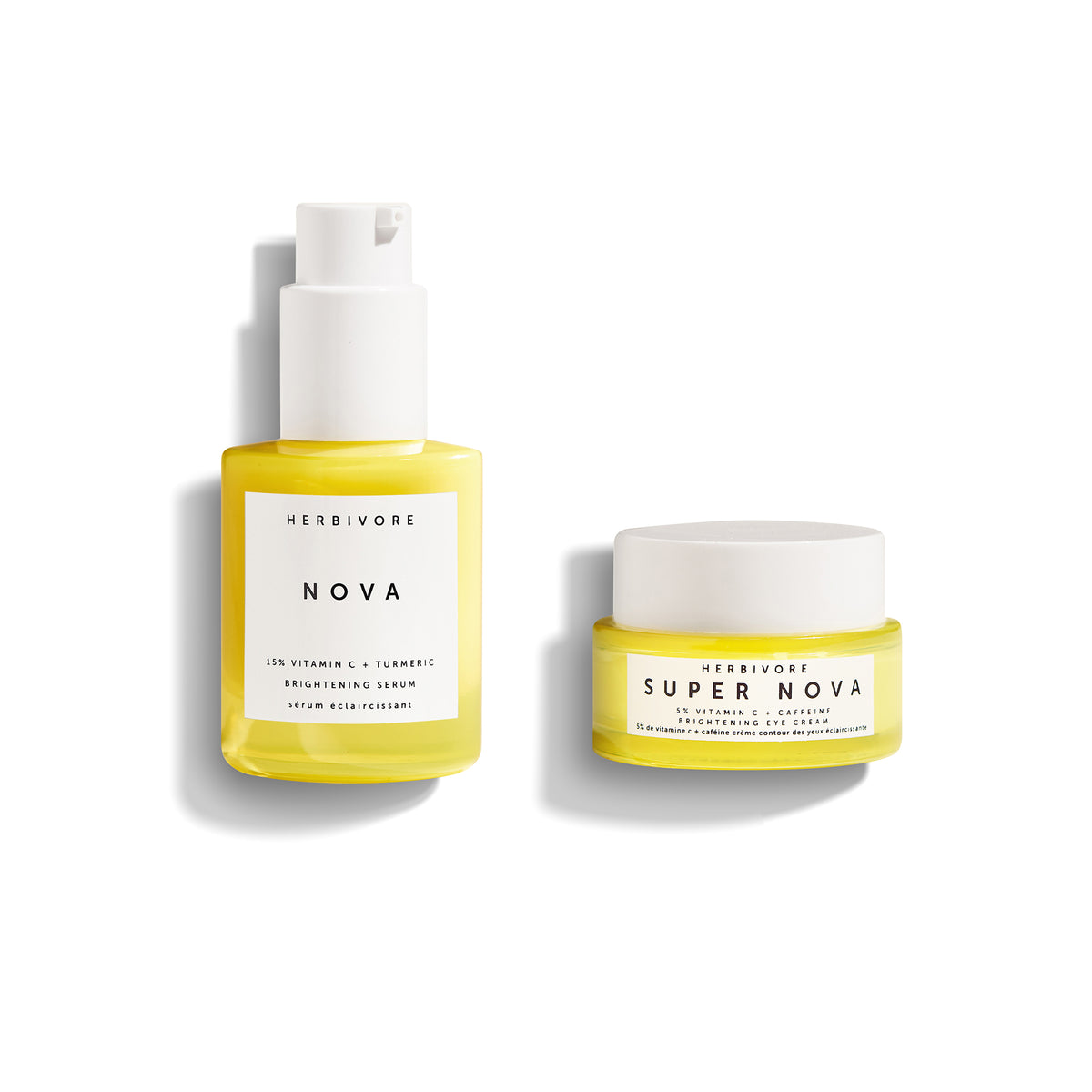
- Attitude is another excellent option with a full line of pregnancy-safe, EWG Verified products that are easy to find online and at a reasonable price point.
Start here this week: Swap your cleanser first. It's the product you use twice daily, rinse off, and repurchase most often — making it one of the highest-impact and easiest swaps in your routine.
Do You Actually Need a Serum? What About Facial Oils?
Facial Oils: The Scrunchy Mom's Best Friend
Facial oils can feel counterintuitive — especially if you're prone to breakouts — but the right oil can actually help regulate sebum production and support your skin barrier. Research supports the use of certain plant-based oils like jojoba and rosehip for skin barrier repair and anti-inflammatory benefits.
Here's a simple breakdown by skin type:
- Dry or sensitive skin: Rosehip oil, marula oil, sea buckthorn (diluted)
- Oily or acne-prone: Jojoba oil (technically a wax ester, closely mimics sebum), neem oil
- Combination or pregnant skin: Squalane (lightweight, non-comedogenic, shelf-stable)
Single-ingredient facial oils — just the oil, nothing added — are some of the cleanest, most budget-friendly options available. You can find pure jojoba or rosehip oil at most grocery stores or online for under $15.
For a curated option, Primally Pure makes facial serums and oils using clean, organic ingredients without synthetic fillers. Their formulations are pregnancy-aware and well-regarded in the clean beauty community.
Serums: What to Look For (and What to Skip)
A good serum delivers concentrated active ingredients to the skin. During pregnancy, some popular serum ingredients — like retinol and certain chemical exfoliants — are flagged as ingredients to discuss with your provider before using. Safer, well-supported alternatives include:
- Vitamin C (L-ascorbic acid): Antioxidant protection, brightening. Generally considered pregnancy-safe.
- Hyaluronic acid: A humectant that draws moisture into the skin. Widely recommended as pregnancy-safe by dermatologists. ACOG and most dermatology resources flag it as a low-risk ingredient.
- Niacinamide: Supports skin barrier, reduces redness, regulates oil. Well-tolerated across skin types.
SCRUNCHY MOM TIP: You don't need a vitamin C serum and a hyaluronic acid serum and a niacinamide serum. Pick the one that addresses your biggest concern right now and start there. Layering too many actives is one of the most common causes of skin irritation, especially during pregnancy when your skin is already more reactive.
What About Sunscreen? This One Really Matters.
Sunscreen is negotiable. However, during pregnancy, hormonal changes can make your skin significantly more prone to hyperpigmentation (the "mask of pregnancy," or melasma). But not all sunscreens are created equal, and this is one category worth being intentional about.
Chemical vs. Mineral Sunscreen
Chemical sunscreens (avobenzone, oxybenzone, octinoxate) work by absorbing UV rays and converting them to heat. Oxybenzone in particular has been detected in blood, urine, and breast milk in studies published by the FDA, prompting the agency to call for more safety data on chemical UV filters. During pregnancy, this is a meaningful concern.
Mineral sunscreen — zinc oxide and/or titanium dioxide — sits on top of the skin and physically deflects UV rays. It doesn't absorb into the bloodstream the same way, making it the recommended option for pregnant and nursing moms.
Look for:
- Non-nano zinc oxide (non-nano means the particles are too large to penetrate skin)
- No oxybenzone, octinoxate, or homosalate
- No synthetic fragrance or parabens
Earthley Sun Shield is a mineral-based sunscreen alternative using non-nano zinc oxide — a solid option for moms who want to keep their routine as clean and simple as possible.
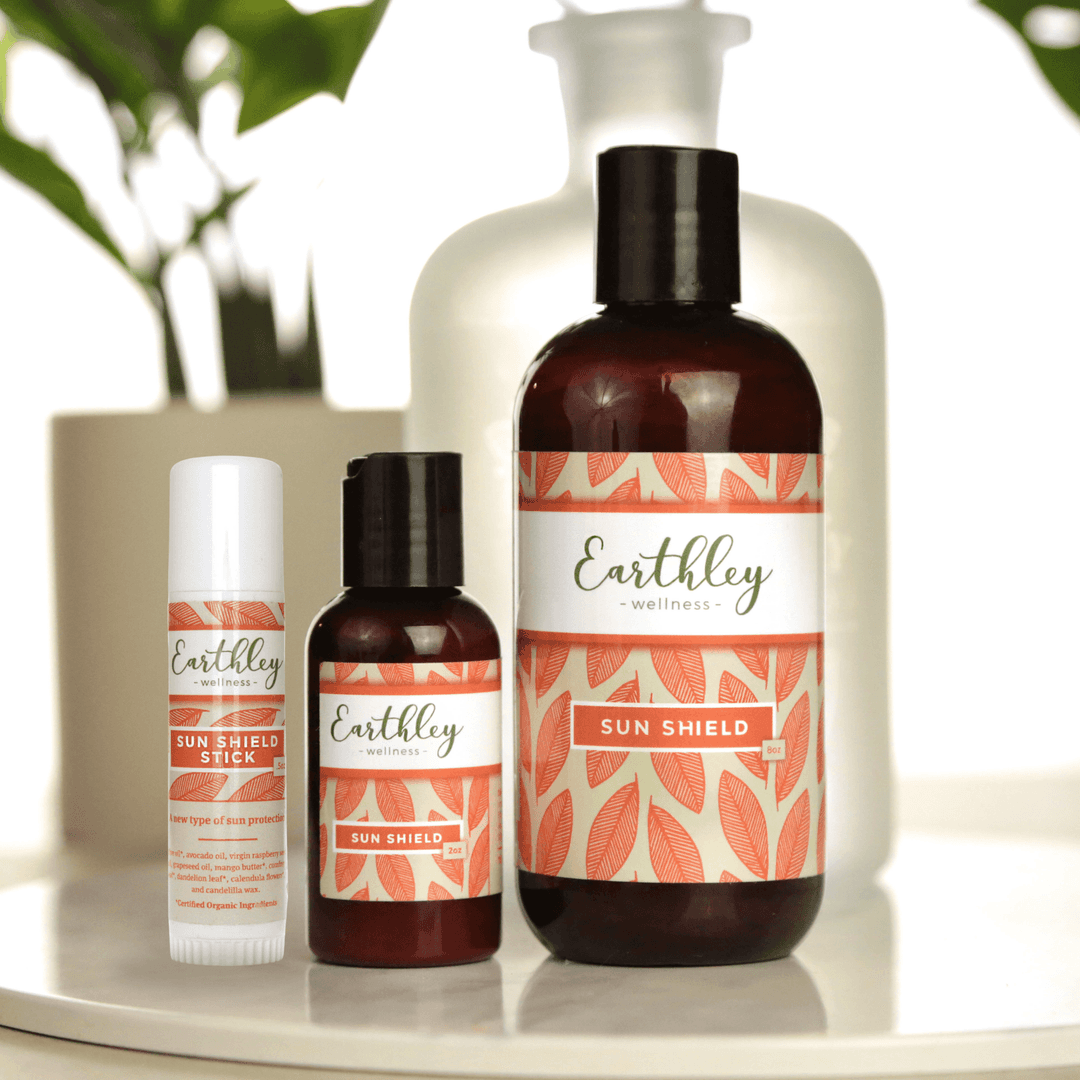
Badger is another well-trusted option — a family-owned, certified organic brand whose mineral sunscreens consistently score well on EWG's Skin Deep database. Find them at Badger.
Start here this week: Check your current sunscreen for oxybenzone or octinoxate. If it's there, swap it out before your next purchase. Mineral is the move.
A Note on Pregnancy-Specific Skin Concerns
If you're dealing with hormonal breakouts, resist the urge to reach for aggressive acne treatments. Many conventional acne products contain salicylic acid (at high doses) or retinoids — both of which carry cautions during pregnancy. ACOG advises discussing any active skincare ingredients with your provider before using them during pregnancy.
A gentle cleanser + niacinamide serum + mineral SPF is a well-supported, pregnancy-safe routine that addresses breakouts without the risk.
Good Brands to Buy
- Honest Beauty Gentle Gel Cleanser — budget-friendly, widely available, fragrance- and paraben-free. Great entry point.
- Three Ships — transparent formulas, vegan and cruelty-free, excellent for sensitive skin.
- Herbivore Botanicals — 100% natural serums, oils, and cleansers; a splurge worth making if your skin is reactive.
- Primally Pure — clean facial serums and body products, pregnancy-aware formulations.
- Attitude — EWG Verified, affordable, and easy to find online.
- Earthley Sun Shield — clean mineral sunscreen using non-nano zinc oxide.
- Badger — certified organic mineral sunscreens, family-owned, strong EWG ratings.
FAQ
Q: Is it safe to use a vitamin C serum while pregnant?
A: Vitamin C (L-ascorbic acid) is generally considered one of the safer active ingredients to use during pregnancy. It's an antioxidant — it doesn't penetrate the skin the same way retinoids do, and it isn't associated with the same developmental concerns. That said, always run new actives by your OB or midwife, especially in the first trimester. A stable, fragrance-free vitamin C serum at 10–15% concentration is a reasonable choice for most pregnant women.
Q: Can I use coconut oil on my face as a cleanser or moisturizer?
A: Coconut oil has genuine benefits — it's antimicrobial and deeply moisturizing — but it's also highly comedogenic (meaning it can clog pores), which makes it a poor choice for your face if you're acne-prone or have combination skin. If you want to use a single-ingredient oil on your face, jojoba or squalane are much better options for most people. Save the coconut oil for your body.
Q: My cleanser says "unscented" — does that mean it's fragrance-free?
A: Not necessarily. "Unscented" means the product has no perceptible smell — but brands sometimes add masking fragrances to cover the scent of other ingredients, and those masking agents still count as synthetic fragrance. Always look specifically for "fragrance-free" on the label, and double-check the ingredient list for "fragrance," "parfum," or any essential oil blend if you're highly sensitive.
Shop These Recommendations
| Product | Why It's Worth It | Amazon |
|---|---|---|
| Herbivore Botanicals | A luxury, natural skincare brand. Herbivore's products (serums, oils, cleansers, masks)… | Buy on Amazon |
| Earthely | A brand focused on 100% natural, herbal-based wellness products. Their 'Sun Shield' is a… | Buy on Amazon |
| Three Ships | A natural, transparent, and 'effective-first' skincare brand. Three Ships' products, like… | Buy on Amazon |
| Badger | A family-owned company making certified organic and natural body care. Badger balms, body… | Buy on Amazon |
| Primally Pure | A natural skincare brand that uses high-quality, organic ingredients. Their products… | |
| Beauty By Earth | A brand focused on organic and natural skincare. Beauty By Earth offers a range of… | Buy on Amazon |
You Might Also Like
- 7 Free Ways to Reduce Your Home's Toxic Load
- What is a Scrunchy Mom? Crunchy vs. Silky Living
- Scrunchy All-Purpose Wipes — Non-toxic, baby-safe wipes for every surface in your home — the product we reach for every single day.
Medical Disclaimer: The information in this article is for educational purposes only and is not intended as medical advice. It does not substitute for the guidance of a licensed healthcare provider. Always consult your OB-GYN, midwife, or dermatologist before making changes to your skincare routine during pregnancy or postpartum, especially if you have a diagnosed skin condition or are managing a high-risk pregnancy.