


California's Non-UPF Label: What Moms Need to Know 2026
TL;DR:
- California's AB 1264 makes the state the first in the US to legally define ultra-processed food, and a new Non-UPF label is coming to store shelves.
- The label is voluntary and third-party certified. It signals a food is free from ultra-processing at the time of certification, not that it's nutritionally perfect.
- For pregnant women and new moms, this label is a genuinely useful shortcut. But it works best alongside reading ingredient lists, not instead of it.
Key Takeaways
- California's Assembly Bill 1264, signed by Governor Gavin Newsom, is the first state law in the US to legally define ultra-processed food. The Non-UPF label flows directly from that definition.
- The Non-UPF label is voluntary and independently verified. A product earns it at the time of certification, meaning formulas can change. Checking ingredient lists periodically still matters.
- A federal bill, the Food Labeling Modernization Act of 2026, has been introduced to push the FDA to create a single national standard, which would prevent conflicting non-UPF claims from confusing shoppers.
Why Does Ultra-Processed Food Matter During Pregnancy?
If you've been growing a baby or recovering from birth, the last thing you need is one more complicated food rule to decode. But ultra-processed food (UPF) is worth understanding because it shows up everywhere in pregnancy nutrition, often disguised as "convenient" or even "fortified."
Ultra-processed foods are industrial formulations that go far beyond basic cooking. They typically contain ingredients you wouldn't find in a home kitchen: emulsifiers, synthetic flavor enhancers, colorants, and preservatives. Most of these exist to extend shelf life or make hyperpalatable products that are engineered to override your body's natural fullness cues. A growing body of research links high UPF consumption during pregnancy to greater gestational weight gain and higher inflammatory markers, both of which can affect mom and baby. NIH/NCBI: Ultra-processed food intake, maternal weight change and cardiometabolic health
What this means for your family: Eating fewer ultra-processed foods during pregnancy may support healthier weight gain, lower inflammation, and a more balanced gut environment for you and your baby.
What Is California's Non-UPF Label, Exactly?
California's Non-UPF label is a state-certified seal, backed by a legal definition of ultra-processed food under AB 1264, that tells shoppers a product has been independently verified to meet that standard at the time of certification.
What Did AB 1264 Actually Do?
California's Assembly Bill 1264, signed by Governor Gavin Newsom, made California the first state in the country to legally define ultra-processed food. That legal definition is the foundation everything else is built on. Without it, any "non-UPF" claim on a package would be meaningless marketing language with no accountability.
Assemblymember Jesse Gabriel (D-Encino), the bill's author, described the goal plainly: "This new seal will provide consumers with clear, trustworthy information and make it easier for them to locate healthier foods that are free from harmful additives."
What this means for your family: A legal definition means companies can't slap a "non-UPF" claim on a product without meeting a specific, state-defined standard. That's real accountability for shoppers.
How Does the Certification Process Work?
Under the related legislation (AB 2244), the California Department of Public Health oversees approved independent agents who certify products that meet the state's non-UPF standards. This is a third-party certification model, similar in structure to USDA Organic, meaning a brand pays for an audit and an external party verifies the product qualifies.
The Non-UPF label is an endorsement that a food is not classified as ultra-processed at the time of certification approval. That "at the time of" clause matters. Food formulas change. A product certified today could have its recipe quietly adjusted in 18 months. The label is a strong signal, not a permanent guarantee.
SCRUNCHY MOM TIP: Set a phone reminder every 6 months to flip over 2–3 of your most-used packaged staples and re-check the ingredient list. Certifications tell you where a product started; your eyes tell you where it is now.
Is the Non-UPF Label the Same Nationwide?
Not yet, and that's actually the most important nuance to understand right now.
The Non-UPF label is currently a California initiative. If you're shopping in Texas, Ohio, or New York, you may start seeing non-UPF claims on packaging from brands that want to appeal to health-conscious consumers. But those claims have no legal definition or third-party verification requirement behind them outside of California.
The Food Labeling Modernization Act of 2026, introduced by Senators Richard Blumenthal and Cory Booker, would direct the FDA to create a single national non-UPF standard, specifically to prevent consumers from being confused and misled by conflicting claims. Until that passes (and it hasn't yet), the label means something specific in California and much less everywhere else.
EWG: California's Non-Ultraprocessed Food Label
What this means for your family: Until federal standards exist, treat non-UPF claims on products sold outside California as marketing language, and verify them yourself by reading the ingredient list.
How to Use the Non-UPF Label as a Practical Shopping Tool
What Should I Look for on the Ingredient List?
The Non-UPF label is a useful shortcut, but here's what it's actually filtering out: foods that rely on additives like carrageenan, artificial colors (Red 40, Yellow 5), synthetic emulsifiers (polysorbate 80), artificial sweeteners, and flavor systems built from chemical compounds. FDA: Food Ingredients & Packaging
When you're reading a label yourself, a simple rule: if the ingredient list has more than 5–7 items and includes words you couldn't pronounce in a high school chemistry class, that's a UPF signal.
For pregnancy specifically, avoiding synthetic emulsifiers and artificial dyes is worth prioritizing. Some emulsifiers are associated with gut barrier disruption, and during pregnancy, your gut microbiome is actively shaping your baby's immune system. NCBI: Dietary emulsifiers impact the gut microbiota
What this means for your family: Choosing foods with short, recognizable ingredient lists supports your gut microbiome, which directly influences your baby's developing immune system.
What Categories of Food Matter Most During Pregnancy?
Not all ultra-processed food is equal in impact. Here's a practical hierarchy for where to focus your swaps:
| Category | UPF Risk | Priority to Swap |
|---|---|---|
| Snack bars / protein bars | High | High — eaten daily by many pregnant women |
| Breakfast cereals | High | High — marketed as "fortified" but often synthetic |
| Flavored yogurts | Medium | Medium — swap to plain + real fruit |
| Deli meats | High | High — nitrates + sodium + listeria risk |
| Crackers / chips | Medium | Low — occasional use is fine |
| Frozen vegetables | Low | Low — most are minimally processed |
Start here this week: Audit your snack drawer. Replace one packaged snack bar with a whole-food alternative: hard-boiled eggs, almond butter on apple slices, or full-fat plain Greek yogurt with berries.
Which Brands Are Getting the California Non-UPF Standard Right?
Several brands are already building products around minimal processing and clean ingredient lists that align with California's non-UPF definition, whether or not they carry the official Non-UPF label yet.
The label is still rolling out, but the brands worth watching are those using single-origin ingredients, skipping synthetic emulsifiers, and being transparent about what "natural flavors" actually means in their formulations, rather than using it as a catch-all hiding dozens of undisclosed compounds.
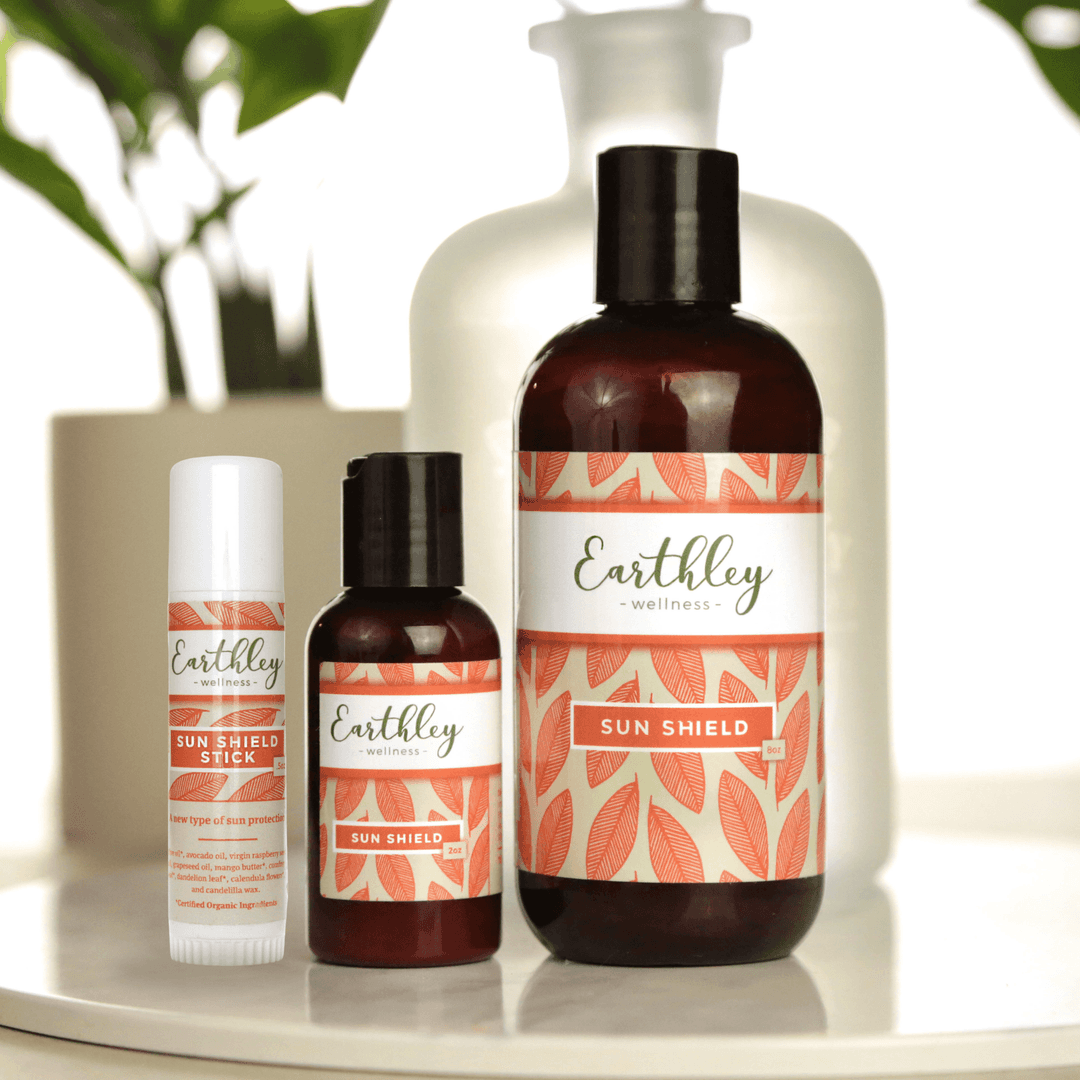
For personal care products used during pregnancy, the same minimal-processing philosophy applies. Earthley's Sun Shield is a strong example of formulation transparency outside of food. It's a mineral-based sunscreen alternative made with non-nano zinc oxide and herbal ingredients, with no synthetic chemical filters.
For food specifically, brands like Siete Foods, Purely Elizabeth, and Once Upon a Farm have built strong reputations for shorter ingredient lists. Always verify the specific SKU you're buying rather than assuming the entire brand qualifies.
Good Brands to Buy
- Siete Foods — grain-free, short ingredient lists, no artificial additives; widely available at Target and Whole Foods (budget-friendly option)
- Once Upon a Farm — cold-pressed baby and toddler pouches with no synthetic additives; great for transition to solids
- Purely Elizabeth — oat-based granolas with recognizable ingredients; good pantry staple
If you're on a tight budget, start with Siete Foods tortilla chips or Simple Mills crackers as your first swap and don't stress about overhauling every category at once.
FAQ
Q: Does the Non-UPF label mean a food is healthy?
No, and this is the most important distinction. A food can be minimally processed and still high in saturated fat, sodium, or added sugar. The label tells you how a food was made, not whether it's nutritionally balanced for pregnancy. Use it alongside, not instead of, your prenatal nutrition goals.
Q: Will Non-UPF certified products cost more?
Some will, some won't. The certification process has costs that brands may pass on. But many whole foods (eggs, oats, canned beans, frozen vegetables) are inherently non-UPF and cost less than their processed equivalents. The label helps you identify packaged convenience foods that meet the standard without premium-pricing every grocery run.
Q: I'm not in California — does this label apply to me?
Not with legal force yet. Products sold in California carrying the Non-UPF label have met a verified standard. Outside California, any non-UPF claim is currently unregulated at the federal level. The Food Labeling Modernization Act of 2026 aims to change that, but until it passes, read ingredient lists yourself and use resources like EWG's Food Scores database to evaluate specific products.
About the Author
Jenn Smith, RN BSN, is a registered nurse, mom, and co-founder of Scrunchy Living. She writes evidence-based guides to non-toxic living, pregnancy-safe products, and clean home practices for modern families.
| Earthely | A brand focused on 100% natural, herbal-based wellness products. Their 'Sun Shield' is a… | Buy on Amazon |
From Scrunchy Living: The Non-Toxic Home Starter Kit ($75) replaces your household cleaners with one EWG Verified concentrate — quats-free, fragrance-free, and safe for pregnancy and babies. Includes a full year of ScrunchyAI, our ingredient-scanning tool for non-toxic families. Start your free 14-day trial →
You Might Also Like
- States Banning Food Chemicals: What Moms Must Know
- Food Dyes Being Phased Out: What Moms Need to Know
- Scrunchy All-Purpose Wipes — Our most-loved non-toxic cleaning essential — safe for babies, surfaces, and the whole family.
Medical Disclaimer: The content in this article is for educational purposes only and is not a substitute for professional medical advice, diagnosis, or treatment. Always consult your OB-GYN, midwife, or a registered dietitian before making changes to your diet during pregnancy or postpartum.
Meta description (revised): California's Non-UPF label gives pregnant moms a verified shortcut at the grocery store. Here's what the california non-UPF certification actually means and how to use it smartly.